
The ‘Do’s & Don’ts’ of nutrition to avoid lactation insufficiency.
Are you a first-time mother? Do you ever have doubts about what you are eating when it comes to breastfeeding? If you said yes to any of these, you came to the right place!
Many first-time mothers have no idea, and that is a-okay. Something to be known off the bat is that breastfeeding may require more calories. Not having enough calories can cause breast milk insufficiency. Let’s kick it off with the ‘Don’ts’, some foods you should avoid when breastfeeding: Spices (chili pepper, cinnamon, garlic), ‘Gassy’ veggies (onions, cabbage, broccoli, peppers), Fruits with laxatives (cherries, prunes), Chocolate, and Citrus fruits/juices (high in acidity).
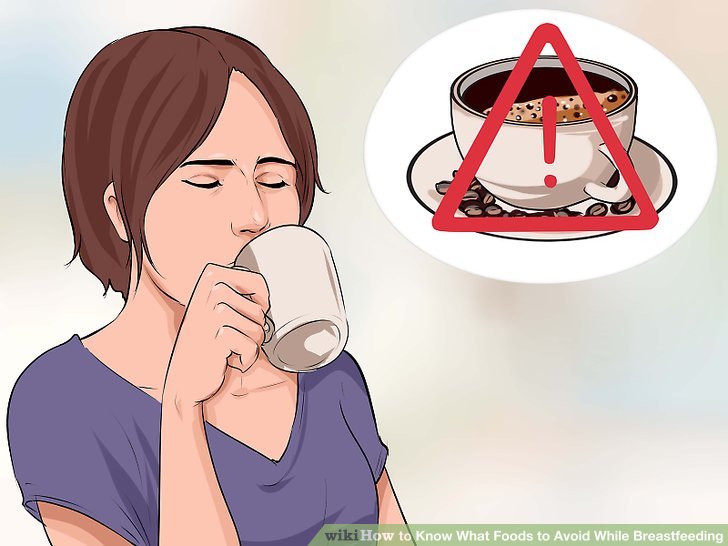
Caffeine is also something that should be taken into consideration when you’re breastfeeding. A cup or two of coffee is okay, but too much caffeine could keep your baby up, and affect their sleep schedule, as well as your own. It is so important to keep a healthy diet when you’re breastfeeding because it not only benefits the baby, but it benefits yourself as well.
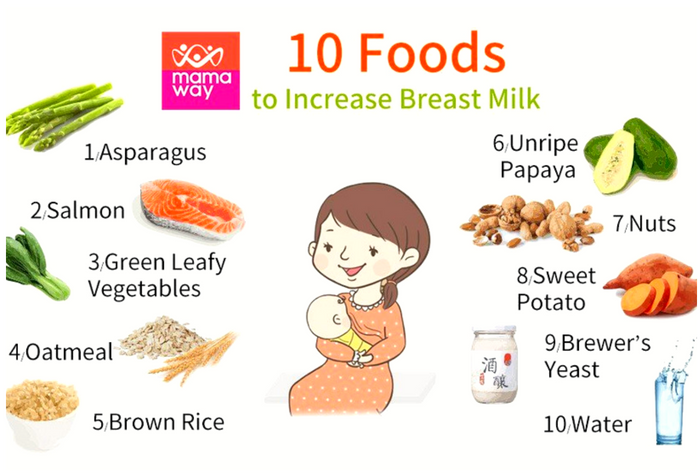
Some foods that are good to include in your diet when breastfeeding are: Whole grains (breads, rice), Salmon (protein), Eggs, Beef, Beans/Legumes, Nuts/seeds, Sweet potatoes, and leafy green vegetables. Focusing on a healthy diet will help your milk production, as well as your personal health. It is also very important to keep a balanced diet when breast feeding because it helps supply you with the energy you need to feed, and care for an infant.
I hope this helped with all of your questions or curiosity about breastfeeding nutrition. If you have any follow up comments or concerns feel free to comment below! 🙂
Fun Facts:
- Eating a variety of different foods can affect the flavor of your breast milk.
- Breastfeeding allows you & the baby to recover from pregnancy faster.
- Breastfeeding provides health benefits for children as they grow older.
 All About That Milk